

EPFL Classes
In recent years, technologies such as augmented reality glasses, 3D TV, and medical apps have struggled, if not failed outright, to gain user acceptance. Adoption depends heavily on human perception, which in turn is shaped by complex, intertwined, and subjective factors including culture, emotion, and context. These subjective dimensions of innovation are often overlooked in the scientific world.
The EPFL+ECAL Lab’s mission is to raise students’ awareness of these issues through history and case studies, while equipping them with the skills, tools, and disciplinary understanding needed to act on them. This involves exploring cultural creativity, learning how to engage with stakeholders, and examining how design research can generate new knowledge.

Masters Courses
The EPFL+ECAL Lab currently teaches two master-level courses for EPFL students which aim to provide students with practical and theoretical skills in design research for innovation.
DH411 – Design Research for Digital Innovation
Design Research for Digital Innovation was created for masters students in Digital Humanities, but is also open to other EPFL masters curricula. It focuses on the design research methodology and themes related to digital humanities including digitised heritage, AI, and social computing. The course puts a special emphasis on each participant’s creativity, ability to take end users into account, and hands-on work.
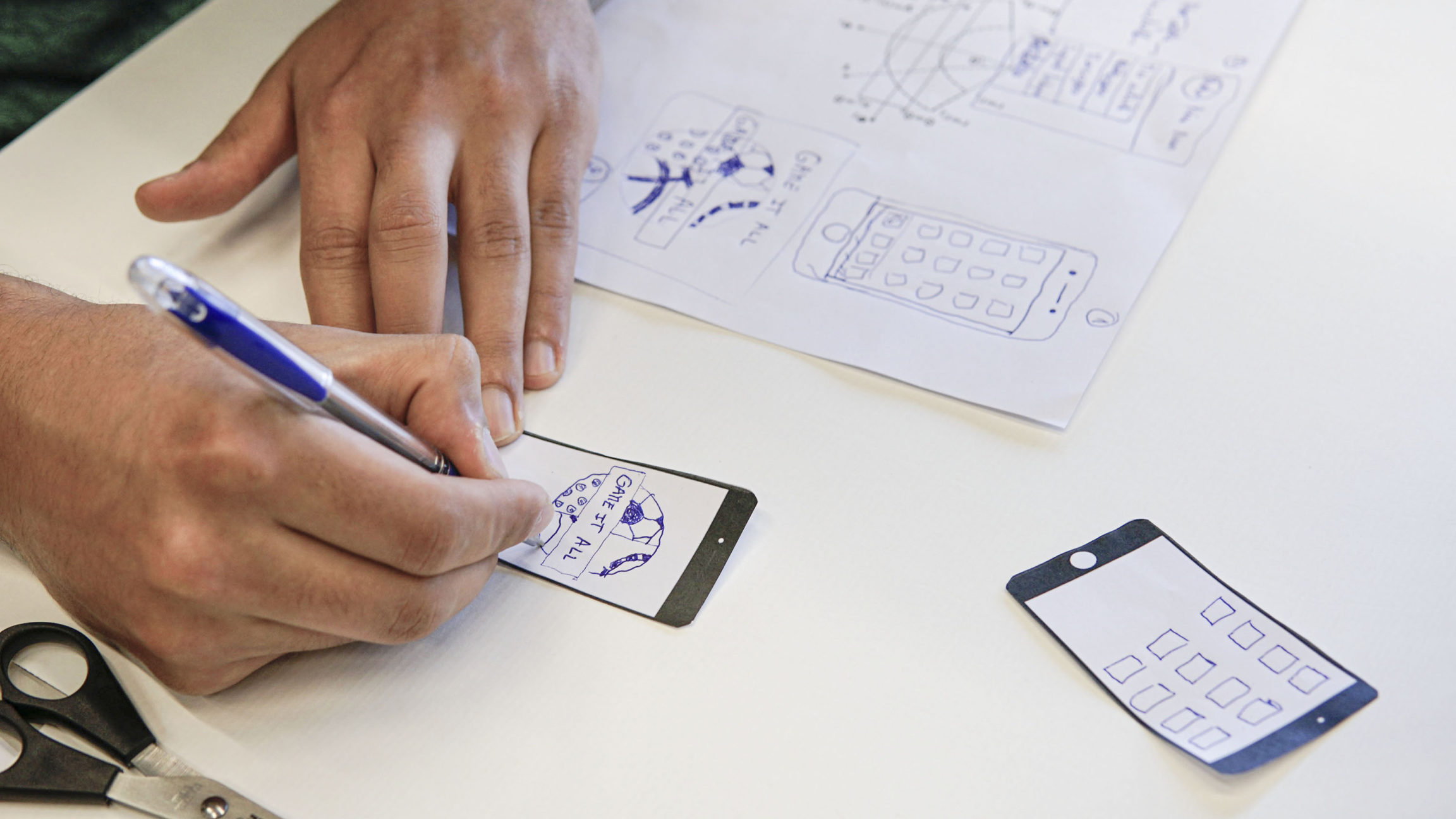
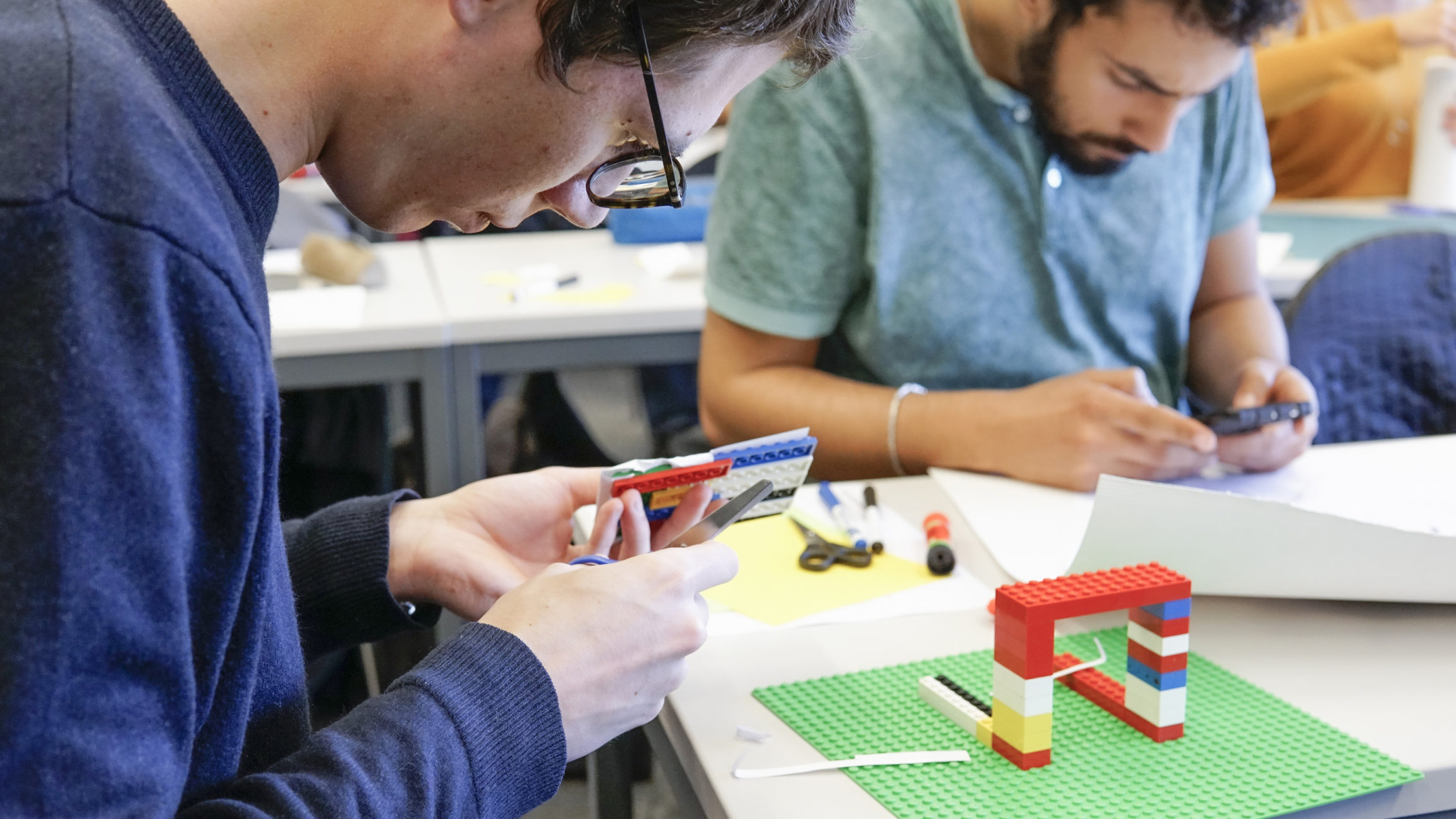
Throughout the course, design researchers from the EPFL+ECAL Lab give insights on recent and ongoing projects sharing learnings, experiences, skills and knowledge. In parallel, students work in small groups on an applied project, based on a real ongoing research track at the EPFL+ECAL Lab. The work aims to put theoretical aspects into practice, with students conducting generative research, stakeholder engagement, digital prototyping and user evaluations.


MGT406 – Design in Innovation: Creation for Adoption
Designed for students of the MSc Management, Technology and Entrepreneurship, this course brings together user-centred design and a deep understanding of value to develop sustainable innovations that benefit both citizens and the economy. Throughout the semester, students explore creative methods to develop disruptive, yet sustainable proposals rooted in an understanding of user perception. Economic considerations, such as created, delivered, and captured value, are woven into this human-centric process to give a holistic view of sustainable innovation.
Working in small groups, students apply these concepts through a semester-long project tied to an active EPFL+ECAL Lab research theme, enabling direct interaction with researchers, practitioners, and stakeholders. Their work includes conducting field research, building prototypes, and testing them with real users.
With more than 15 years of expertise in design research, the EPFL+ECAL Lab has developed its own methodology. Over the years, we have created and given various courses dedicated to design research and digital innovation with the aim to share novel perspectives on the current innovation challenges. These classes propose reflections and tools to tackle them.